

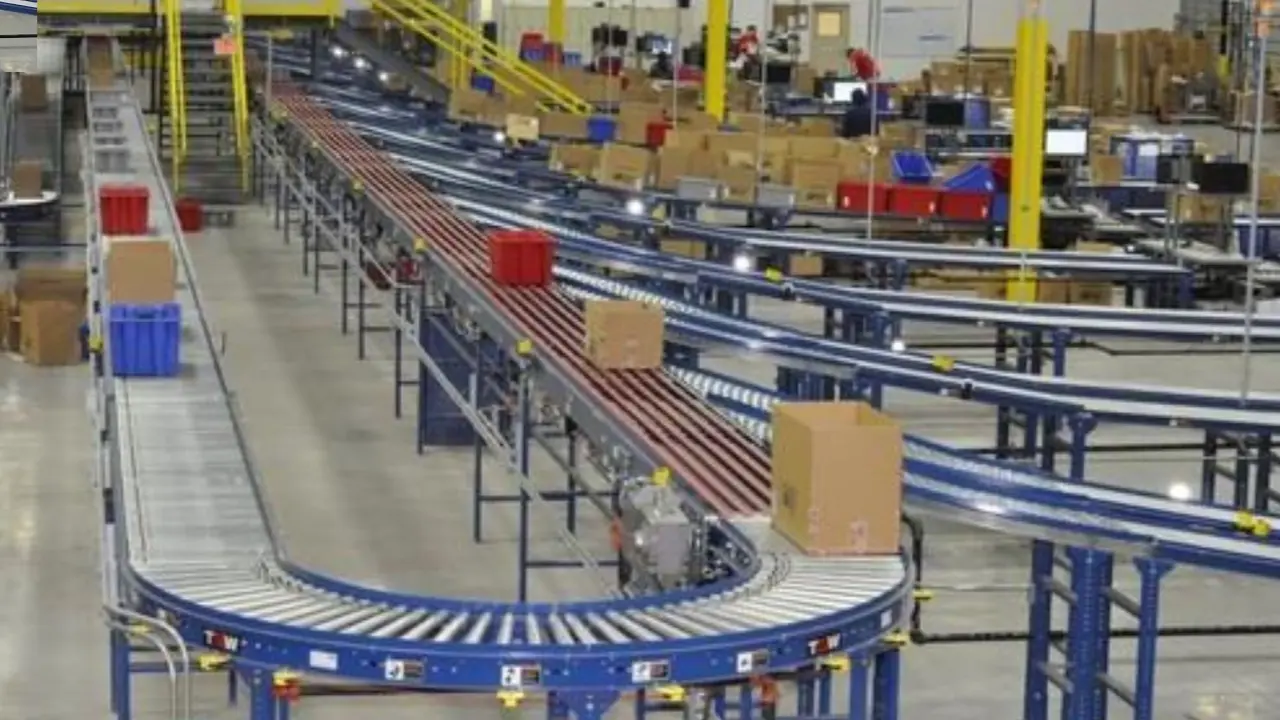
A material handling conveyor is a machine used to move materials, goods, or products from one location to another inside a factory, warehouse, or industrial setup. These systems reduce manual labor, improve production speed, and ensure safe transportation of all types of materials. At ArSai Conve Systems, we design high-quality material handling conveyor systems that help industries achieve smooth and efficient operations.
What Is a Material Handling Conveyor?
A material handling conveyor is a type of material conveyor system that moves products automatically. These systems are used for transporting cartons, packages, raw materials, heavy loads, grains, food products, or bulk materials. The main purpose of a conveyor is to save time, reduce human effort, and maintain continuous production flow. With modern conveyor material handling equipment, industries can improve productivity and reduce waste or damage during handling.
Also Read: What Are The Types Conveying Systems in India
Importance of Material Handling Conveyor Systems
Material handling conveyors play a major role in manufacturing, warehousing, and industrial automation. Manual handling can be slow and unsafe, especially for heavy or delicate materials. A material handling equipment conveyor helps improve safety, speed, and overall efficiency. These systems reduce operational costs, prevent workplace injuries, and maintain consistent product movement. Industries choose material conveyor systems because they offer better control, reliability, and accuracy compared to manual handling.
Types of Material Handling Conveyors
Material handling conveyors come in different types based on application, speed, load capacity, and material type. Each type is designed for specific industrial needs.
Belt Conveyors
Belt conveyors are the most commonly used material handling conveyor systems. They use a moving belt to carry materials from one point to another. These conveyors are suitable for small products, boxes, food items, and even heavy loads. Belt conveyors are widely used because they provide smooth and continuous material flow with minimal maintenance.
Roller Conveyors
Roller conveyors use rollers to move products. They can be manual (gravity-based) or powered. These conveyors are ideal for moving cartons, pallets, and heavy products. They are commonly used in warehouses, manufacturing plants, and distribution centers.
Chain Conveyors
Chain conveyors use chains to push or pull materials along the system. These conveyors are perfect for heavy-duty applications where materials are too heavy for belt or roller conveyors. They are used in automobile industries, foundries, and engineering units where strength and durability are essential.
Screw Conveyors
Screw conveyors use a rotating screw blade to move materials. They are best for semi-solid, powder, or grain materials such as flour, salt, chemicals, and food ingredients. Screw conveyors provide a closed system, which makes them perfect for industries requiring hygiene and dust-free operation.
Bucket Elevators
Bucket elevators lift materials vertically using buckets attached to a belt or chain. They are commonly used in rice mills, grain industries, fertilizer plants, and food processing units. Bucket elevators help transport bulk materials to higher levels quickly and safely.
Slat Conveyors
Slat conveyors use slats fixed to a chain for moving materials. These conveyors are used for products that need stable and secure handling. They are widely used in automotive assembly lines, bottling plants, and heavy manufacturing industries.
Pneumatic Conveyors
Pneumatic conveyors use air pressure to move materials through pipes. They are used for light materials like powders, grains, and small particles. These conveyors are ideal for pharmaceutical industries, cement plants, food processing, and chemical factories.
Overhead Conveyors
Overhead conveyors move materials above the ground using overhead rails. These conveyors save floor space and increase safety in work areas. They are used in garment factories, painting lines, and warehouses for lightweight materials.
Uses of Material Handling Conveyor Systems
Material handling conveyors are used in almost every industry because they offer fast and safe material movement. Here are some major uses:
- Transporting Raw Materials- Industries use material handling conveyor systems to move raw materials like chemicals, metal parts, grains, and components to production machines. This helps reduce manual effort and keep production lines running smoothly.
- Moving Finished Goods- After production, finished products must be transported carefully. Conveyor material handling equipment ensures smooth movement to packaging, storage, or dispatch areas without damage.
- Sorting and Distribution- Conveyors are used in logistics, courier companies, and warehouses to sort and distribute products. Sorting conveyors identify products based on size, weight, or barcode and move them to the correct section.
- Loading and Unloading- Loading and unloading heavy boxes, bags, or packages manually is time-consuming and unsafe. Conveyors make this task faster, safer, and more efficient.
- Bulk Material Handling- Industries like cement, mining, agriculture, and fertilizer manufacturing use conveyors to move bulk materials in large quantities. This helps reduce wastage and improve handling speed.
Optimizations for Material Handling Conveyor Systems
To get the best performance from your material conveyor systems, proper optimization is necessary. With the right improvements, you can increase efficiency, reduce maintenance cost, and extend the working life of your conveyors.
Choose the Right Conveyor Type
Every industry has different material handling needs. Choosing the correct conveyor system based on material size, weight, temperature, and movement pattern is essential for smooth operation.
- Maintain Proper Load and Speed- Conveyors must be operated within their recommended load and speed limits. Overloading can cause damage and breakdowns. Proper speed control ensures safe and stable movement of materials.
- Use High-Quality Components- Belts, rollers, chains, motors, and frames should be strong and durable. High-quality parts reduce downtime and save maintenance costs in the long run.
- Regular Maintenance and Inspection- Scheduled maintenance keeps the system running smoothly. Regular lubrication, cleaning, and inspection help prevent unexpected failures and increase conveyor life.
- Add Safety Features- Including safety guards, emergency stop buttons, and sensors prevents accidents and improves workplace safety. Safety features are especially important in industries with heavy materials.
- Automation and Integration- Modern conveyor systems can be integrated with sensors, automation panels, and tracking systems for higher efficiency. Automation helps reduce labor cost, increase accuracy, and improve material flow.
Why Choose ArSai Conve Systems?
ArSai Conve Systems provides high-quality material handling equipment conveyors designed for various industrial needs. Our conveyors are durable, efficient, and customized according to your workflow.
We offer:
- Strong and reliable conveyor structures
- Modern automation and control systems
- Experienced engineering team
- On-site installation and support
- Maintenance and AMC services
Our solutions ensure smooth, safe, and long-lasting material handling for your industry.
Conclusion
A material handling conveyor is an essential part of modern industries. It helps move products safely, quickly, and efficiently. With different types of conveyors available, industries can choose the best system according to their material and workflow. By optimizing your material handling conveyor systems, you can improve production speed, reduce labor, and increase overall growth. For the best and most reliable material conveyor systems, trust ArSai Conve Systems — your partner in smart and advanced material handling solutions.
Pingback: Which Type of Motor is Used in Conveyor Belt?
Pingback: What is a conveyor belt and how does it work?