
In today’s fast-paced industrial environment, conveyor systems play a vital role in improving productivity, reducing manual labor, and ensuring smooth material handling. Whether in manufacturing plants, warehouses, mining sites, food processing units, or packaging industries, conveyor belts depend on reliable motors to operate efficiently. Selecting the right conveyor motor directly affects the performance, speed, durability, and energy efficiency of the entire conveyor system.
At ArSai Conveyor Systems Pvt. Ltd., we manufacture high-quality conveyor systems designed to meet the unique requirements of different industries. One of the most frequently asked questions by customers is, “Which Type of Motor is Used in Conveyor Belt?” The answer depends on several factors, including the conveyor’s load capacity, operating speed, application, environmental conditions, and duty cycle.
This comprehensive guide explains the different types of motors used in conveyor belts, their advantages, applications, and how to choose the right conveyor drive motor for your industrial operation.
Why is the Conveyor Motor Important?
The conveyor motor is the driving force behind every conveyor system. It converts electrical energy into mechanical energy, allowing the conveyor belt to move materials efficiently from one point to another. A properly selected motor ensures smooth operation, minimizes downtime, reduces maintenance costs, and increases the overall lifespan of the conveyor system.
An incorrectly selected motor can lead to frequent breakdowns, overheating, excessive energy consumption, and poor production efficiency. Therefore, choosing the correct motor is essential for reliable and continuous operation.
Also Read: What is a Conveyor Belt and How Does It Work?
Types of Motors Used in Conveyor Belts
Several types of motors are commonly used depending on the conveyor’s application and operational requirements.
1. AC Induction Motor
The AC induction motor is one of the most widely used motors for conveyor belts due to its durability, affordability, and reliable performance.
These motors are suitable for:
- Manufacturing industries
- Packaging plants
- Warehouses
- Material handling systems
- Distribution centers
Advantages
- Low maintenance
- Long service life
- Energy-efficient operation
- High reliability
- Cost-effective solution
Most industrial conveyor systems use AC induction motors because they provide consistent performance under continuous operation.
2. Gear Motor
A gear motor combines an electric motor with a gearbox to reduce speed while increasing torque. It is ideal for conveyors carrying heavy materials.
Gear motors are commonly used in:
- Cement plants
- Mining industries
- Steel plants
- Heavy-duty conveyor systems
- Aggregate handling
Benefits
- High starting torque
- Better load handling
- Reduced motor speed
- Smooth operation
- Longer equipment life
A conveyor drive motor with a gearbox is often the preferred choice for conveyors transporting bulky or heavy materials.
3. DC Motor
DC motors provide excellent speed control, making them suitable for applications where conveyor speed must be adjusted frequently.
Common applications include:
- Assembly lines
- Electronic manufacturing
- Pharmaceutical industries
- Laboratory equipment
Advantages
- Precise speed control
- Smooth acceleration
- Variable operating speed
- High efficiency
Although DC motors offer flexibility, they generally require more maintenance compared to AC motors.
4. Servo Motor
Servo motors are designed for highly accurate positioning and speed control. They are widely used in automated production systems.
Applications include:
- Robotic conveyor systems
- Precision manufacturing
- Automated packaging
- High-speed assembly lines
Benefits
- Exceptional accuracy
- Fast response time
- High efficiency
- Excellent motion control
Servo motors are ideal where precision is more important than heavy load capacity.
5. Stepper Motor
Stepper motors rotate in precise increments, making them suitable for conveyors requiring controlled movement.
Typical industries include:
- Electronics
- Medical equipment
- Inspection systems
- Automated testing
Although they provide accurate positioning, stepper motors are generally used for light-duty conveyor applications.
What is a Conveyor Drive Motor?
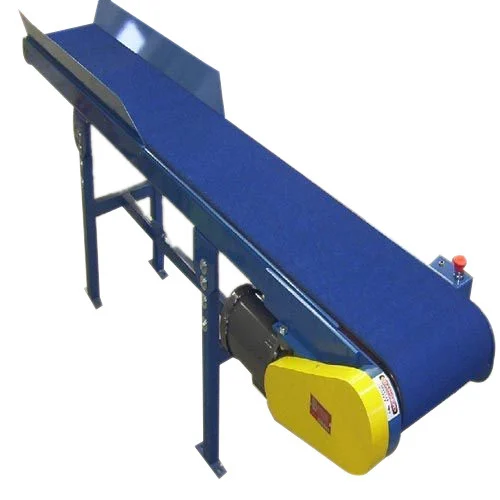
A conveyor drive motor refers to the motor responsible for driving the conveyor pulley or drive roller that moves the conveyor belt. It forms the heart of the conveyor drive system and works together with gearboxes, couplings, chains, belts, and drive shafts.
A quality conveyor drive motor offers:
- Stable belt movement
- High torque
- Efficient power transmission
- Reduced vibration
- Reliable continuous operation
Selecting the correct conveyor drive motor significantly improves productivity and reduces maintenance costs.
Factors to Consider When Choosing a Conveyor Motor
Choosing the right conveyor motor depends on multiple technical factors.
- Load Capacity- Heavy-duty conveyors require motors with higher torque ratings, while light-duty conveyors can operate efficiently with smaller motors.
- Conveyor Length- Long conveyor belts require motors capable of delivering greater power to overcome friction and maintain consistent movement.
- Operating Speed- Applications requiring variable speeds often benefit from motors used with Variable Frequency Drives (VFDs).
- Duty Cycle- Continuous operation requires motors specifically designed for long working hours without overheating.
- Environmental Conditions- Dust, moisture, chemicals, and extreme temperatures influence the motor selection. Industries such as mining and food processing often require specially protected motors.
- Energy Efficiency- Energy-efficient motors help reduce electricity costs and improve overall operational efficiency.
Common Industries Using Conveyor Motors
Conveyor motors are widely used across numerous industries.
These include:
- Manufacturing Plants
- Warehouses
- Logistics Centers
- Food Processing Units
- Pharmaceutical Industries
- Automotive Manufacturing
- Mining Operations
- Cement Plants
- Chemical Industries
- Packaging Industries
- Airport Baggage Handling
- Recycling Plants
- Textile Industries
- Paper Mills
- Agriculture Processing Units
Each industry requires different conveyor motor specifications based on production requirements.
Importance of Variable Frequency Drives (VFD)
Modern conveyor systems frequently use Variable Frequency Drives (VFDs) along with the conveyor drive motor.
Benefits include:
- Adjustable speed control
- Lower power consumption
- Reduced mechanical stress
- Soft starting
- Improved motor life
- Better production control
VFDs also help reduce energy costs, making them an excellent investment for industrial conveyor systems.
Signs That Your Conveyor Motor Needs Replacement
Regular inspection helps prevent unexpected downtime.
Common warning signs include:
- Excessive vibration
- Overheating
- Unusual noise
- Frequent tripping
- Reduced belt speed
- High power consumption
- Burning smell
- Difficulty starting
Ignoring these signs can result in complete conveyor failure and expensive repairs.
Maintenance Tips for Conveyor Motors
Proper maintenance extends the lifespan of both the conveyor system and the motor.
Recommended practices include:
- Inspect electrical connections regularly.
- Lubricate bearings as recommended.
- Keep the motor free from dust and debris.
- Monitor motor temperature.
- Check belt alignment frequently.
- Replace worn components promptly.
- Inspect gearboxes for oil leakage.
- Follow preventive maintenance schedules.
Routine maintenance minimizes downtime and improves operational reliability.
Why Choose ArSai Conveyor Systems Pvt. Ltd.?
ArSai Conveyor Systems Pvt. Ltd. is a trusted manufacturer and supplier of high-performance conveyor systems for diverse industrial applications. We design conveyor solutions that deliver superior efficiency, durability, and long service life.
Our strengths include:
- Customized conveyor system design
- High-quality conveyor motors
- Reliable conveyor drive motor solutions
- Robust engineering
- Premium-grade components
- Energy-efficient systems
- Timely project delivery
- Comprehensive technical support
- Competitive pricing
- Excellent after-sales service
Whether you require a belt conveyor, roller conveyor, chain conveyor, or a fully customized material handling solution, our experienced team provides reliable systems tailored to your operational requirements.
Conclusion
The type of motor used in a conveyor belt depends on factors such as load capacity, operating speed, application, and environmental conditions. AC induction motors remain the most common choice due to their durability and cost-effectiveness, while gear motors are ideal for heavy-duty operations. Servo, DC, and stepper motors are selected for specialized applications requiring speed control or precision.
Choosing the correct conveyor motor and conveyor drive motor not only improves operational efficiency but also reduces maintenance costs, minimizes downtime, and increases equipment lifespan. Partnering with an experienced conveyor manufacturer ensures you receive a system specifically designed for your industrial requirements.
At ArSai Conveyor Systems Pvt. Ltd., we are committed to delivering reliable, energy-efficient, and customized conveyor solutions that help industries improve productivity and achieve long-term operational success. Whether you need a new conveyor installation or expert guidance on selecting the right motor, our team is ready to provide dependable solutions for your business.