

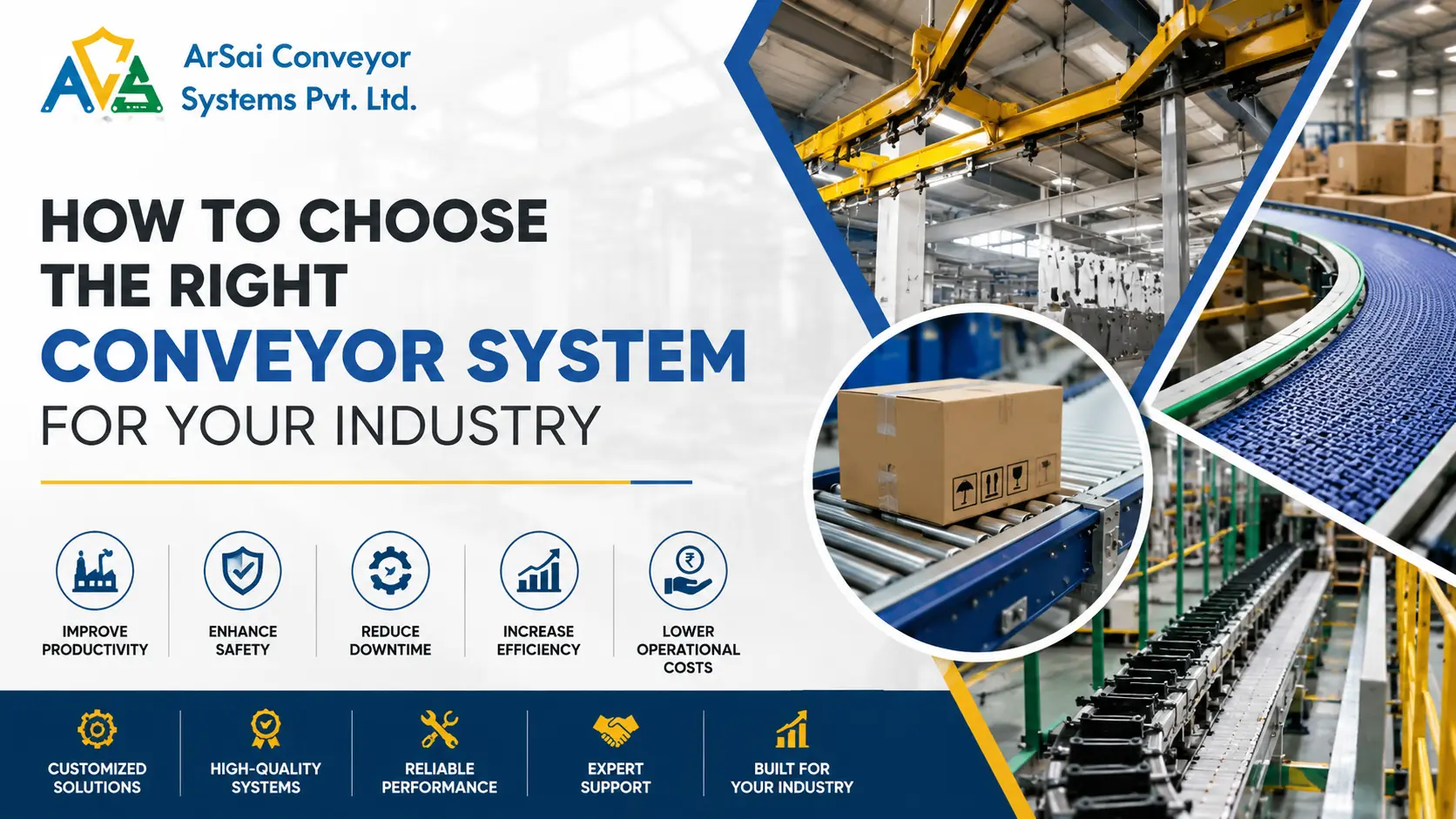
In the current competitive industrial landscape, efficiency, productivity, and effective material handling are some of the aspects that contribute to success. Conveyor systems form an integral part of material transportation within manufacturing plants, storage facilities, and assembly lines. The problem is that choosing the right conveyor system might be difficult due to the uniqueness of different sectors and the associated risks that may arise from making the wrong decision such as increased cost of operation and maintenance.
This article will assist you in understanding how to choose the best conveyor system depending on the sector of operation.
What is a Conveyor System?
A conveyor system is a mechanical material handling solution designed to transport products and materials from one location to another with minimal manual intervention. Conveyor systems are widely used across industries to streamline production processes, reduce labor requirements, and improve workplace safety.
Modern conveyor systems can handle a wide variety of materials, ranging from small components and packaged goods to heavy industrial equipment and bulk materials.
Also Read: Screw Conveyors: Types, Features, Components, Diagram, and Applications
Why Choosing the Right Conveyor System Matters
A conveyor system is a long-term investment. Selecting the appropriate system ensures:
- Improved productivity
- Reduced labor costs
- Enhanced workplace safety
- Faster material movement
- Lower maintenance expenses
- Increased operational efficiency
- Better product handling
The wrong conveyor system can create bottlenecks, increase downtime, and negatively impact overall production performance.
Understand Your Material Handling Requirements
The first step in selecting a conveyor system is understanding the type of materials you need to transport.
Consider the following:
Material Type
Different conveyors are designed for different materials.
Examples include:
- Cartons and boxes
- Automotive components
- Powder-coated parts
- Metal products
- Bulk materials
- Heavy industrial equipment
- Food products
The size, shape, weight, and surface characteristics of the material significantly influence conveyor selection.
Load Capacity
Every conveyor system has a specific load-bearing capacity. Before choosing a system, determine:
- Maximum product weight
- Average load weight
- Production volume
- Future expansion requirements
Selecting a conveyor with insufficient capacity can result in operational failures and increased maintenance costs.
Evaluate Your Industry Requirements
Each industry has unique operational needs.
Automotive Industry
Automotive manufacturers often require:
- Overhead Conveyors
- Power and Free Conveyors
- Skid Conveyors
These systems efficiently transport vehicle components through assembly, painting, and finishing processes.
Warehousing and Logistics
Distribution centers typically require:
- Roller Conveyors
- Belt Conveyors
- Telescopic Conveyors
These systems help speed up sorting, packaging, and shipping operations.
Food Processing Industry
Food-grade conveyors must comply with hygiene and safety standards. Stainless steel conveyors are commonly preferred.
Manufacturing Industry
Manufacturers often require customized conveyor solutions to support assembly lines and production processes.
Consider Available Floor Space
Factory layout plays a major role in conveyor selection.
Before installation, evaluate:
- Available floor area
- Production flow
- Equipment positioning
- Future expansion plans
For facilities with limited floor space, overhead conveyor systems are often an ideal solution because they utilize unused vertical space.
Benefits of Overhead Conveyors
- Save valuable floor space
- Improve workflow efficiency
- Reduce workplace congestion
- Increase production flexibility
Types of Conveyor Systems and Their Applications
Understanding different conveyor types can help you make an informed decision.
Belt Conveyors
Belt conveyors are among the most commonly used systems for transporting lightweight and medium-weight materials.
Applications
- Warehouses
- Packaging units
- Distribution centers
- Manufacturing facilities
Roller Conveyors
Roller conveyors are suitable for handling cartons, pallets, and packaged products.
Applications
- Logistics centers
- Packaging operations
- Assembly lines
Overhead Conveyors
Overhead conveyors transport products above the production floor.
Applications
- Automotive plants
- Powder coating facilities
- Paint shops
- Assembly operations
Power and Free Conveyors
Power and free conveyors provide flexible movement and allow products to accumulate or stop without affecting the entire system.
Applications
- Automotive manufacturing
- Heavy engineering industries
- Complex assembly lines
Slat Conveyors
Slat conveyors are designed for heavy-duty industrial applications.
Applications
- Automobile assembly
- Heavy component transportation
- Industrial manufacturing
Automation Requirements
Modern industries increasingly rely on automation to improve productivity and reduce operational costs.
When choosing a conveyor system, consider:
- Production volume
- Automation goals
- Integration with existing equipment
- Future scalability
Automated conveyor systems can significantly improve production efficiency while reducing manual handling requirements.
Maintenance and Reliability
Maintenance requirements should always be considered before investing in a conveyor system.
Look for systems that offer:
- Durable construction
- Easy access for maintenance
- Reliable components
- Long service life
- Low downtime
A well-designed conveyor system minimizes maintenance expenses and improves operational continuity.
Energy Efficiency Matters
Energy costs are a significant concern for modern industries.
When selecting a conveyor system, evaluate:
- Motor efficiency
- Power consumption
- Operating hours
- Energy-saving features
Energy-efficient conveyors can reduce long-term operating costs and contribute to sustainable manufacturing practices.
Safety Considerations
Workplace safety should never be overlooked.
An ideal conveyor system should include:
- Emergency stop mechanisms
- Safety guards
- Overload protection
- Operator safety controls
- Compliance with industry standards
A safe material handling environment helps reduce workplace accidents and improves employee confidence.
Customization Options
Every industry operates differently, which is why customization is often necessary.
Customized conveyor systems can provide:
- Better workflow integration
- Higher productivity
- Improved space utilization
- Industry-specific solutions
Working with an experienced conveyor manufacturer helps ensure that the system meets your exact operational requirements.
Questions to Ask Before Purchasing a Conveyor System
Before making a final decision, ask yourself:
- What type of material will be transported?
- What is the required load capacity?
- How much floor space is available?
- Do I need automation features?
- What are the maintenance requirements?
- Can the system be expanded in the future?
- Is the conveyor suitable for my industry?
Answering these questions can help you identify the most suitable conveyor solution for your business.
Why Partner with an Experienced Conveyor Manufacturer?
Choosing the right manufacturer is just as important as selecting the right conveyor system.
An experienced manufacturer can provide:
- Technical consultation
- Customized solutions
- Installation support
- After-sales service
- Maintenance assistance
A reliable partner ensures smooth implementation and long-term operational success.
Conclusion
Choosing the right conveyor system for your industry requires careful evaluation of material handling requirements, production goals, facility layout, automation needs, and future growth plans. Whether you require a belt conveyor, roller conveyor, overhead conveyor, power and free conveyor, or a customized material handling solution, selecting the appropriate system can significantly improve productivity, reduce operational costs, and enhance workplace efficiency.
By understanding your business requirements and working with an experienced conveyor system manufacturer, you can invest in a solution that delivers reliable performance and long-term value for years to come.
Pingback: What Is an Automated Material Handling System & How Can It Help Improve My Warehouse’s Productivity?